
AI, cognition, and society
The Human-First-Principles Machine
As AI makes more creative work optional, it asks us what we value in art, collaboration, and the activities we would still choose to do ourselves.
Engineering, AI, & Cognition
Essays and research on building dependable AI systems, evaluating retrieval and model choices, and understanding AI’s consequences for attention, work, and society. Explore the focused reading paths for agentic engineering, RAG research, or AI, cognition, and society.
AI, cognition, and society
As AI makes more creative work optional, it asks us what we value in art, collaboration, and the activities we would still choose to do ourselves.

Agentic engineering
AI coding tools can create far more code without producing proportional gains in releases, customer usage, revenue, or economic value.

AI, cognition, and society
Recursive self-improvement does not guarantee a permanent AI monopoly. Intelligence gains expose new bottlenecks and branch into domain-specific loops governed by evaluators, infrastructure, institutions, and power.

AI, cognition, and society
AI may make leisure abundant, but it cannot make leisure good. The central challenge is developing the agency, habits, and leisure literacy needed to turn spare time into a life well lived.
RAG research
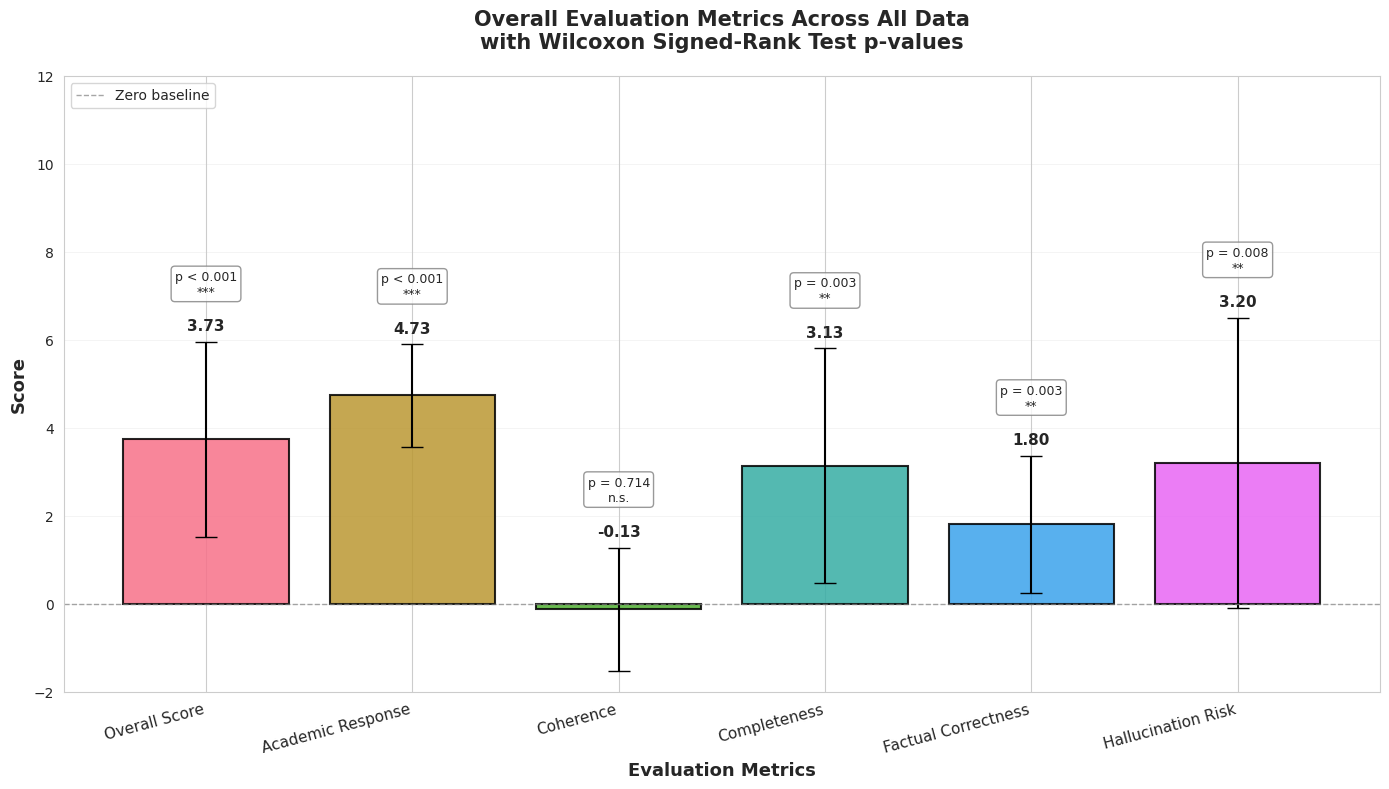
A controlled comparison finds that Gemini 3 Flash with a domain academic corpus outperforms Gemini 3 Pro with web search grounding on overall score and four of five judged dimensions.

Agentic engineering
Vibe coding accelerates prototypes but becomes a scaling trap when software matters. Agentic engineering replaces casual prompting with disciplined delegation, context, verification, and operational ownership.
RAG research
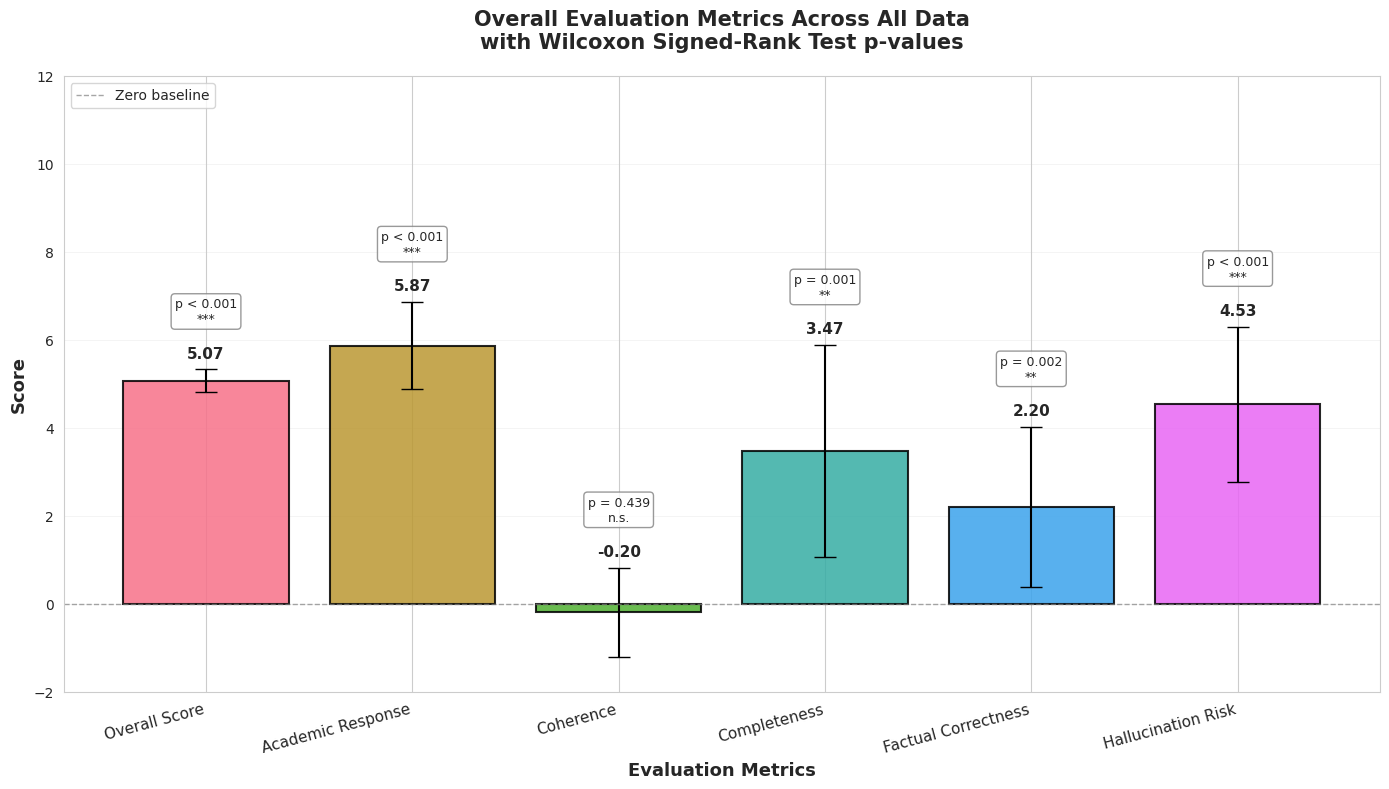
Two controlled experiments show that domain retrieval improves research outputs on four of five quality dimensions and can let a smaller model outperform a larger model without retrieval.
Agentic engineering
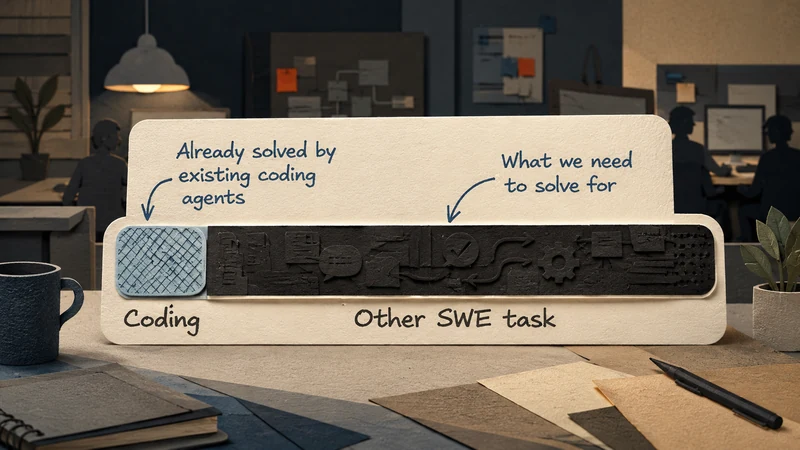
Faster code generation does not transform delivery by itself. Agentic software engineering creates leverage when context, risk, evidence, and trust move continuously from intent through release.
RAG research
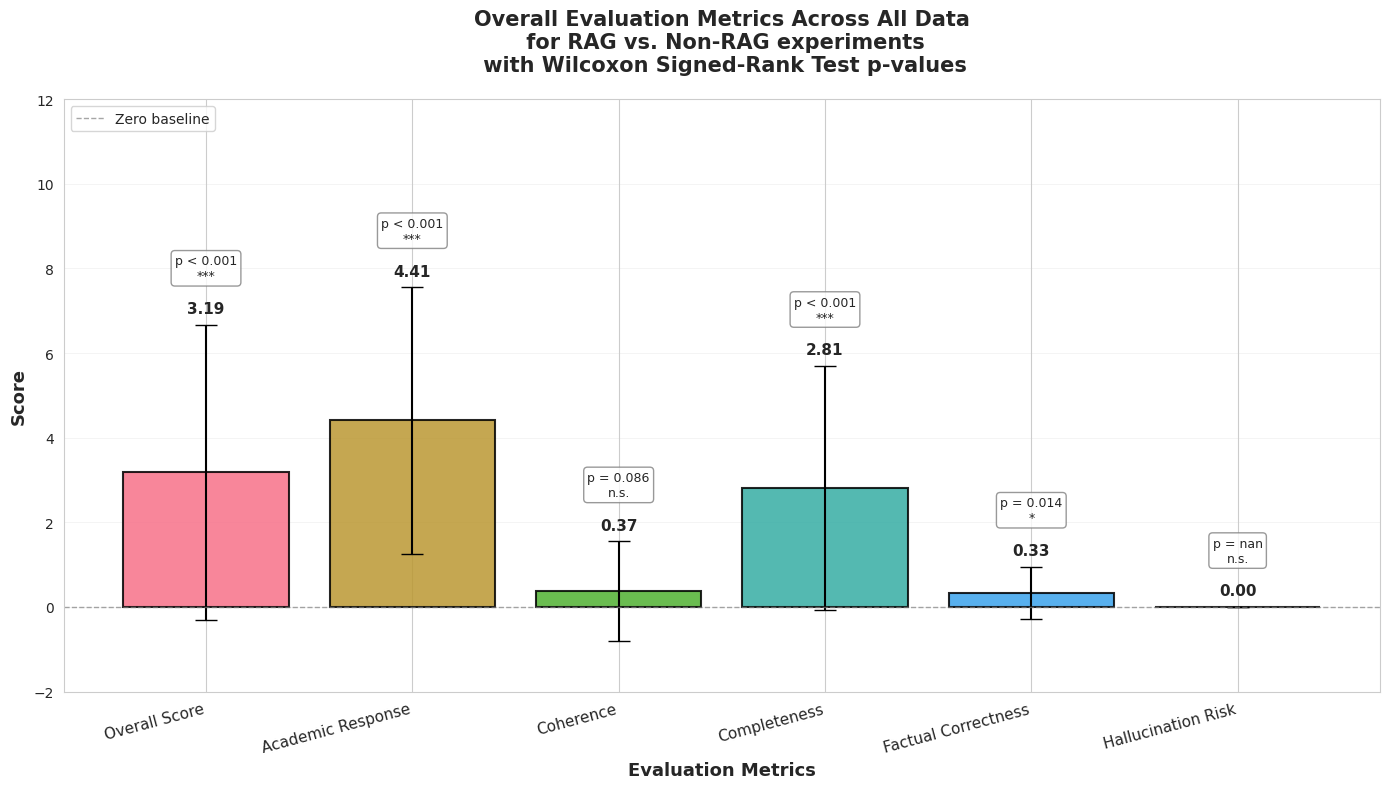
An empirical study of retrieval volume and response quality showing that balanced context improves RAG results while additional context eventually produces diminishing returns.

AI, cognition, and society
Attention is the first allocation system behind leadership, markets, platforms, and AI: what people and institutions repeatedly make impossible to ignore becomes the world they inhabit.

Agentic engineering
Productive intelligence should remain portable as AI enters work: workers carry generalized context, companies protect specialized context, and mobility is negotiated rather than absorbed into one central brain.
Agentic engineering
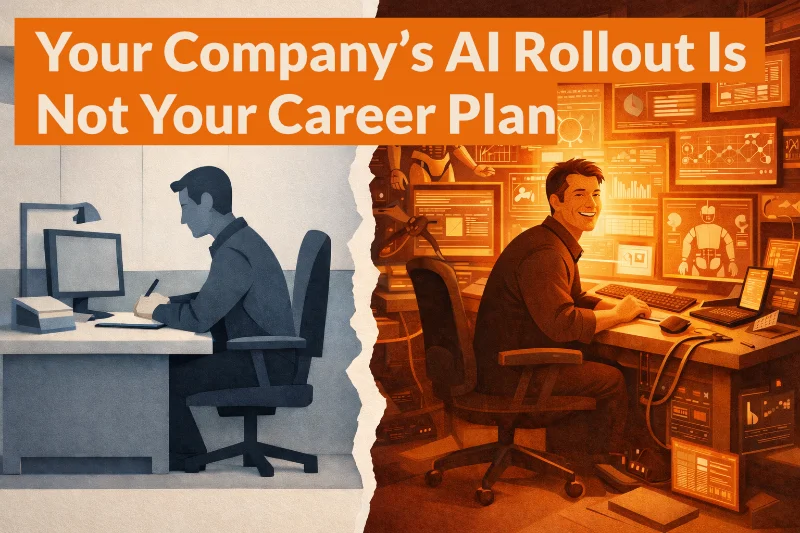
A company-approved AI seat provides access, not mastery. Engineers build durable advantage through a private practice of comparative tools, real repetitions, and portable judgment.
Agentic engineering
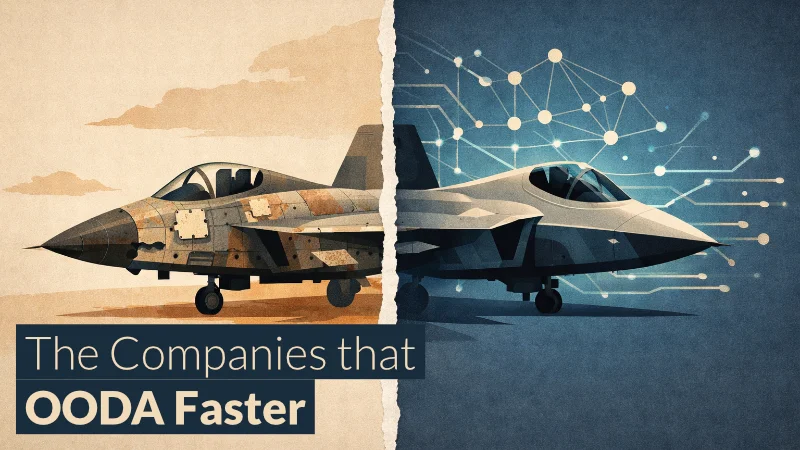
Competitive advantage comes from OODA velocity: continuously observing, orienting, deciding, and acting through governed agents and durable organizational context rather than isolated copilots.
Every published canonical article, including the featured reading above, in reverse chronological order.
AI, cognition, and society
As AI makes more creative work optional, it asks us what we value in art, collaboration, and the activities we would still choose to do ourselves.
Agentic engineering
AI coding tools can create far more code without producing proportional gains in releases, customer usage, revenue, or economic value.
RAG research
A canonical HTML landing page for Dominik Gorecki's AI Tokenomics for Software Engineering PDF, with citation, scope, provenance, and download details.
AI, cognition, and society
Recursive self-improvement does not guarantee a permanent AI monopoly. Intelligence gains expose new bottlenecks and branch into domain-specific loops governed by evaluators, infrastructure, institutions, and power.
AI, cognition, and society
AI may make leisure abundant, but it cannot make leisure good. The central challenge is developing the agency, habits, and leisure literacy needed to turn spare time into a life well lived.
AI, cognition, and society
AI can become a social technology of proportion rather than capture by restoring context, mediating disagreement, and returning people to real relationships instead of optimizing outrage and synthetic company.
Agentic engineering
Faster code generation does not transform delivery by itself. Agentic software engineering creates leverage when context, risk, evidence, and trust move continuously from intent through release.
AI, cognition, and society
Attention is the first allocation system behind leadership, markets, platforms, and AI: what people and institutions repeatedly make impossible to ignore becomes the world they inhabit.
Agentic engineering
Productive intelligence should remain portable as AI enters work: workers carry generalized context, companies protect specialized context, and mobility is negotiated rather than absorbed into one central brain.
AI, cognition, and society
Delay is itself a form of harm in lethal disease. Real-time trials, continuous monitoring, and human-relevant evidence systems expose how much medical caution is science and how much is avoidable latency.
Agentic engineering
A company-approved AI seat provides access, not mastery. Engineers build durable advantage through a private practice of comparative tools, real repetitions, and portable judgment.
Agentic engineering
Competitive advantage comes from OODA velocity: continuously observing, orienting, deciding, and acting through governed agents and durable organizational context rather than isolated copilots.
Agentic engineering
Software teams should route model intelligence by the total expected cost of completing work, rather than treating either the strongest model or the cheapest token as the universal default.
AI, cognition, and society
A co-evolutionary alternative to Roko’s Basilisk in which humans and AI strengthen the civilizational competence that supports both, replacing coercive doom with reciprocal investment.
Agentic engineering
Shells, files, and folders are poor primitives for knowledge work. Enterprise agents need governed semantic layers that represent people, conversations, commitments, permissions, and institutional memory directly.
Agentic engineering
Engineers can build portable AI judgment and workflows without crossing the boundary between transferable personal capability and company-owned data, systems, or intellectual property.
Agentic engineering
Vibe coding accelerates prototypes but becomes a scaling trap when software matters. Agentic engineering replaces casual prompting with disciplined delegation, context, verification, and operational ownership.
AI, cognition, and society
AI will disrupt particular roles, but labor, spending, and institutions can reallocate in ways that make economy-wide collapse less inevitable than the ‘Jobpocalypse’ narrative suggests.
AI, cognition, and society
A macro memo on an alternative to centralized machine ownership: people retain compounding cognitive assets through Bring Your Own AI, preserving demand, mobility, and human productive agency.
RAG research
A controlled comparison finds that Gemini 3 Flash with a domain academic corpus outperforms Gemini 3 Pro with web search grounding on overall score and four of five judged dimensions.
RAG research
Two controlled experiments show that domain retrieval improves research outputs on four of five quality dimensions and can let a smaller model outperform a larger model without retrieval.
RAG research
An empirical study of retrieval volume and response quality showing that balanced context improves RAG results while additional context eventually produces diminishing returns.